New releases of 2020
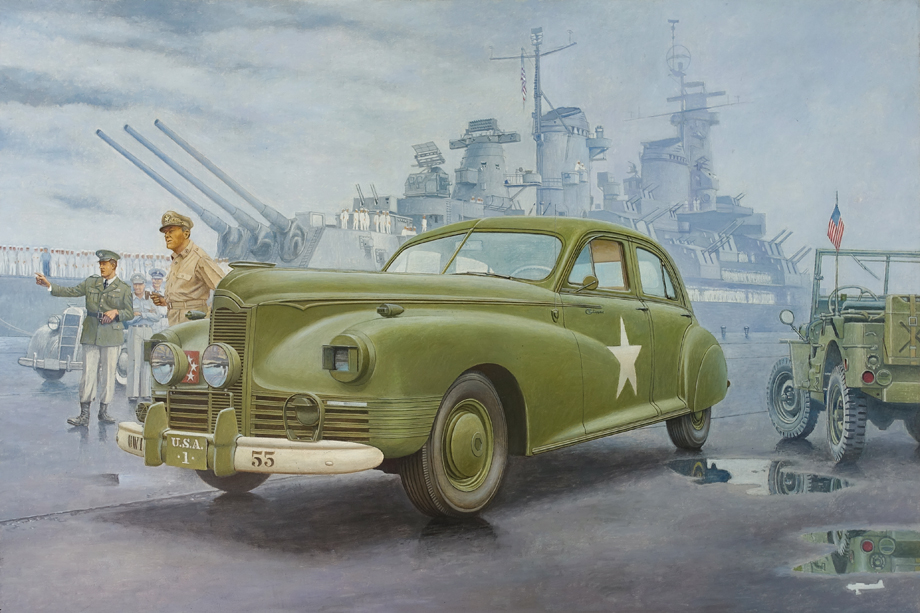
The Packard Clipper was an American passenger car introduced in 1941 by the Packard Motor Car Company, a leading manufacturer of luxury cars since the early 20th Century. Up to February 1942, about 16,000 cars of this brand were produced, but after the United States entered World War II and most private manufacturers became involved in fulfilling military orders, the company was reorganized for the production of Packard Merlin aircraft engines, licensed copies of one of the best engines of its time, the Rolls Royce Merlin.
A significant number of vehicles of this type were bought by the army and were used both domestically and overseas in numerous theaters of conflict as personal vehicles for senior officers. At least two Packard Clippers became particularly famous because they were used by two of the nation's most famous military leaders, General Dwight D. Eisenhower and General Douglas MacArthur. After the end of the Second World War, new restyled Packard Clippers were produced by the company, although in significantly smaller quantities than on the eve of the war.
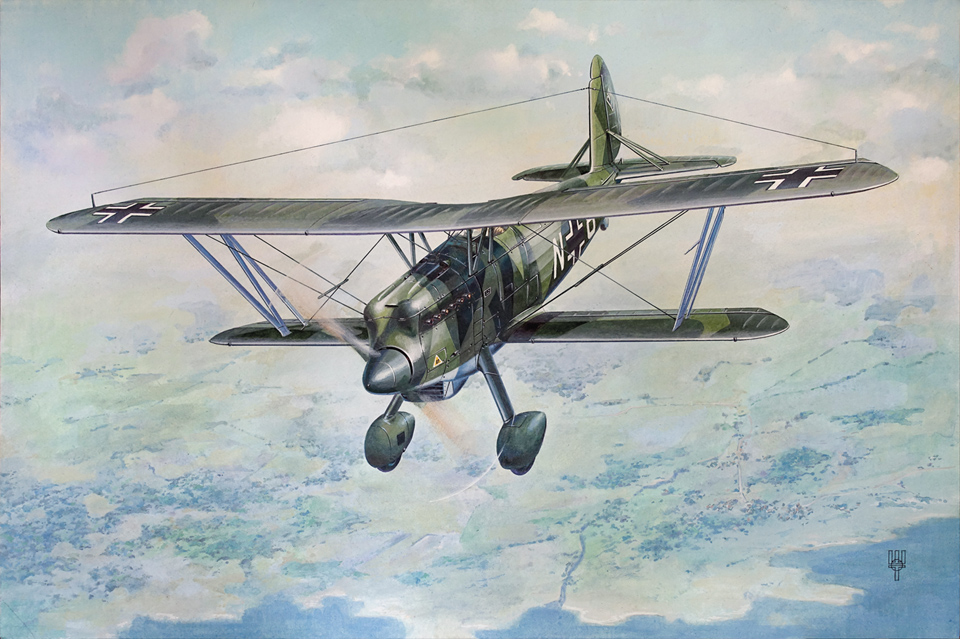
The Arado Ar 68F was a German multirole biplane developed in the mid-1930s, the main competitor to its contemporary the famous Heinkel He 51. At the time of its appearance, the aircraft displayed very good flight characteristics, but the rapid pace of technological progress and the introduction of monoplane fighters, such as the Bf 109, immediately pushed it like all other biplanes into the background, and therefore from the very beginning the Arado Ar 68F mainly entered training units.
A small number of Arado Ar 68Fs were also flown by combat units, but for the most part in secondary theaters of the war. The last few machines of this type were used until 1942.
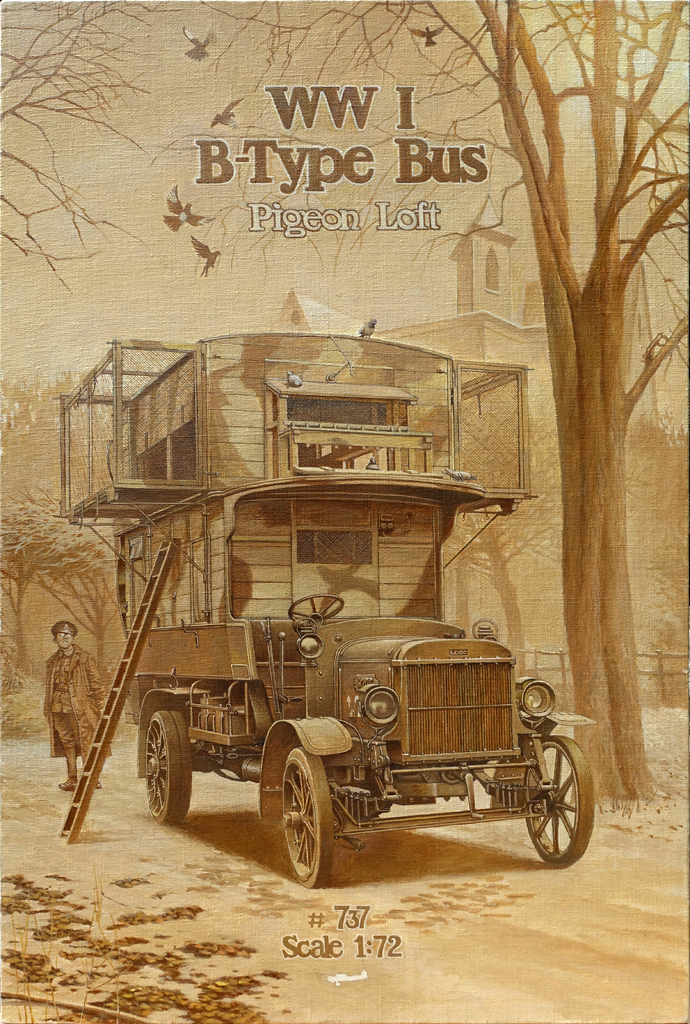
Type B WW1 Bus "Pigeon Loft" – a British bus from the First World War, specially modified to transport communication birds (primarily pigeons) in order to deliver important messages from military units in combat areas directly to command headquarters.
A small number of Type B buses, all of which were requisitioned from the streets of London for military service on the Western Front, performed a little-known but very important service from 1914 to 1918, which, given the imperfections of the new means of communication at the time, such as the telegraph, helped save the lives of many soldiers of the Entente. Each of the buses could transport from 60 to 75 birds at the same time in specially installed cages on both floors of the vehicle. The birds were released into flight through specially fabricated cutouts on the second floor of the bus. Such an exotic means of transmitting information was used almost until the final days of the war, and Type B buses played a very important role in this rather interesting episode of the conflict.
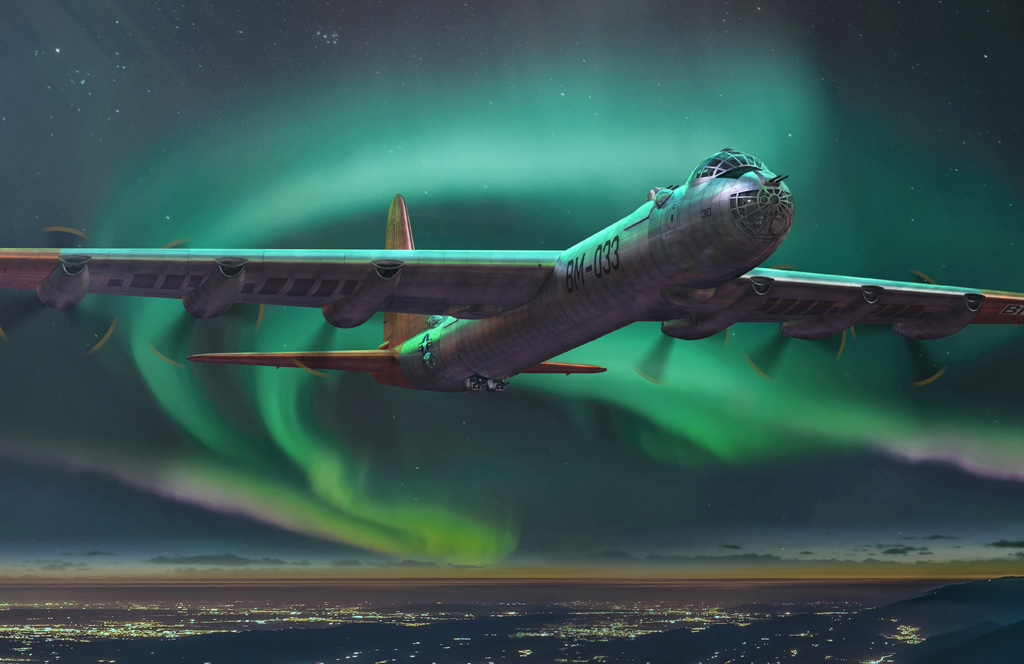
The Convair B-36 Peacemaker did not take part in any of the military conflicts of its time and never dropped its bomb load in actual conflict conditions, but its service was incredibly important in the early years of the Cold War, since it had the lead role in preserving the balance of forces during great changes in the world's geopolitical situation. In subsequent years, all B-36Bs were modified to the B-36D standard, and their operational use continued until the late 1950s, and only with the advent of another well-known bomber, the B-52, were they allowed to depart to a well-deserved retirement.
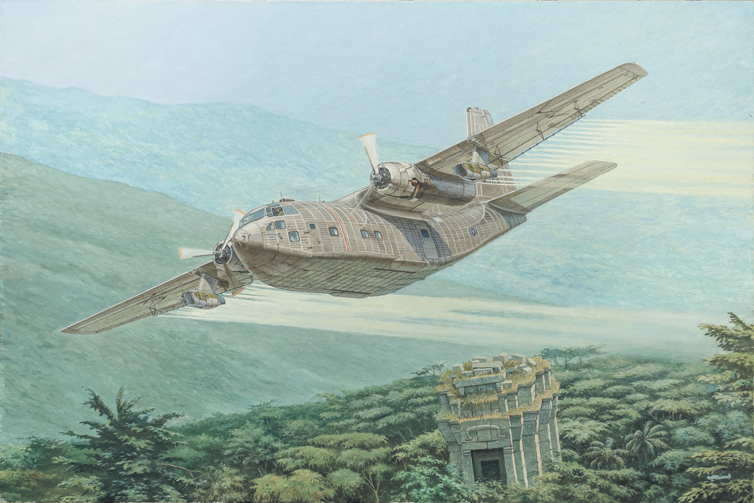
The Fairchild UC-123K Provider was an American special purpose aircraft, a version of the famous C-123 transport vehicle. The primary mission of these machines was to spray the dangerous Agent Orange herbicide in the sky of Vietnam to reduce deciduous cover over large areas, facilitating the detection of guerrilla groups and moving weapons. In total, 25 standard C-123K aircraft were converted to this standard, which were used in the following years with considerable success. The peak of such operations came in the second half of the 1960s, when the UC-123K carried out thousands of dangerous missions in the East Asian country, causing extensive damage to tens of thousands of acres. After the end of Operation Ranch Hand, all the surviving machines were converted back to C-123K standard. Five aircraft were lost during operations, and the total number of hits received by the UC-123K from ground fire reached nearly ten thousand, which proved its tough and reliable construction.
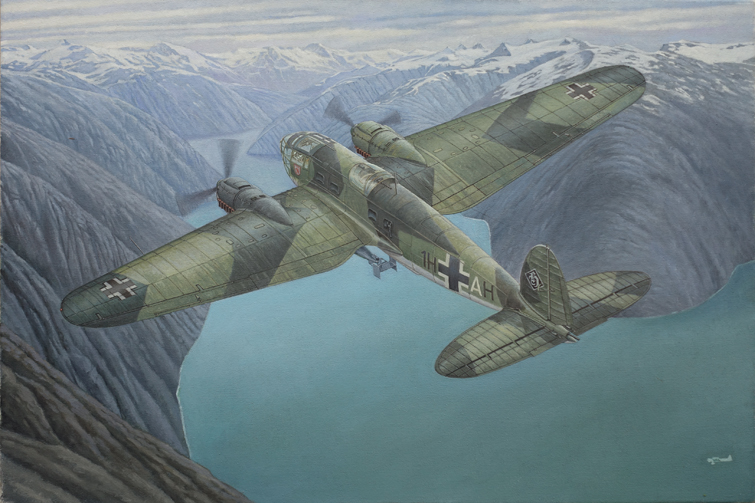
He 111H-6 - German twin-engine medium bomber, developed in the late 1930s from the previous He 111P. The main difference between the He 111H and its predecessor was its Jumo 211 engines, in addition to significantly strengthened defensive weapons, and new airscrews with wide blades. The aircraft was used throughout the war as not only a bomber but also a torpedo carrier. In this role, it was a serious threat to the enemy's ships and convoys. Production of the He 111H-6 was not discontinued even with the advent of more modern bombers. In total 1,775 aircraft of the He 111H-6 variant were produced.
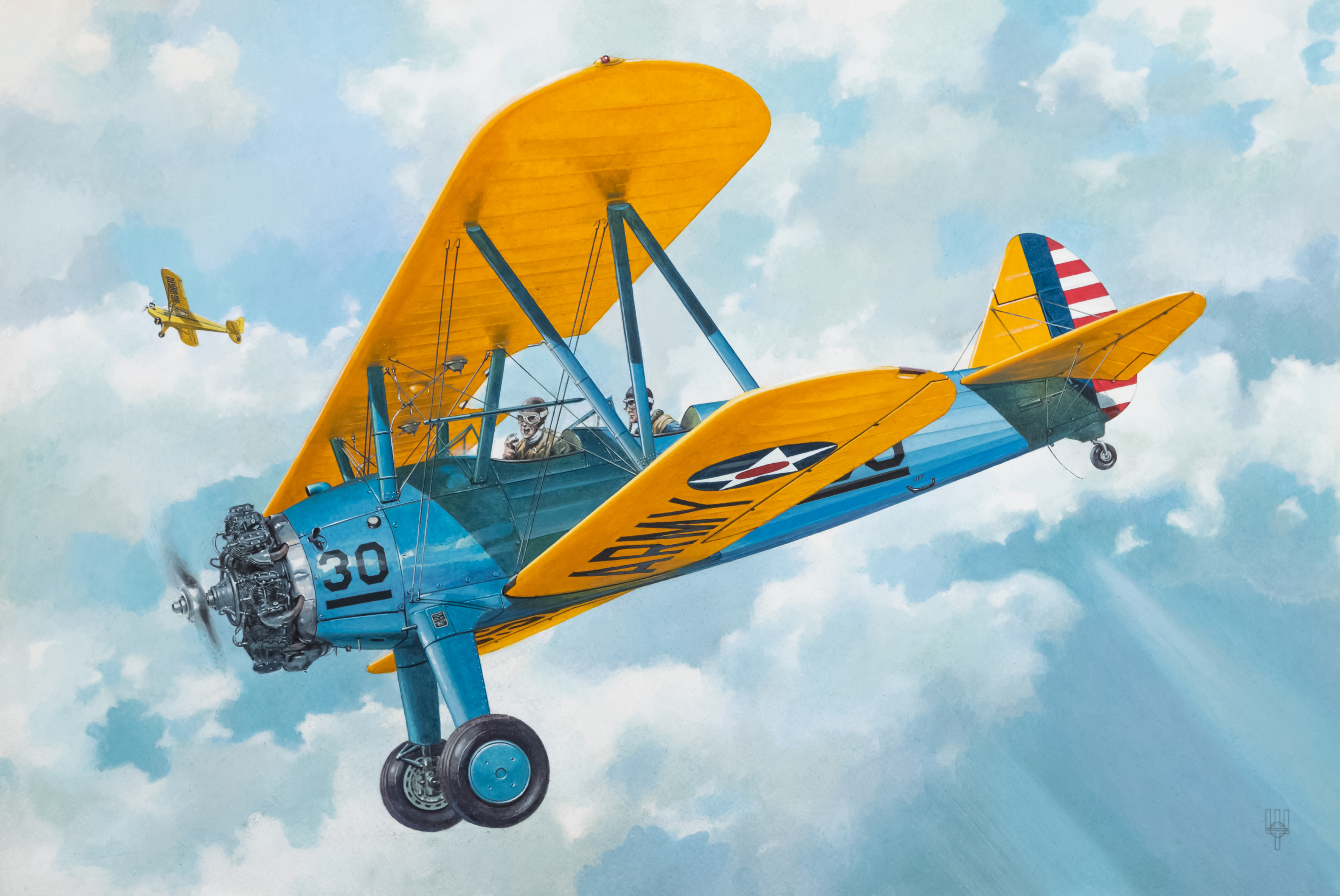
Boeing Stearman PT-17 Kaydet – two-seat aircraft for primary pilot training, designed by the Stearman Aircraft Corporation, later a separate division of Boeing. The aircraft had excellent flying characteristics, was relatively easy to pilot, and became a true "flying desk" for thousands and thousands of pilots. In addition to the US Air Force, the aircraft was also built for the US Navy. In total, more than 3,000 PT-17 units and more than 3,500 N2S units for the US Navy were manufactured. Apart from the United States Air Force, this type of machine was delivered to the Canadian Air Force as the PT-27 under the Lend Lease Agreement. After the war, the vast majority of them were sold to third countries and private owners, and many still participate in various aviation competitions and air shows.
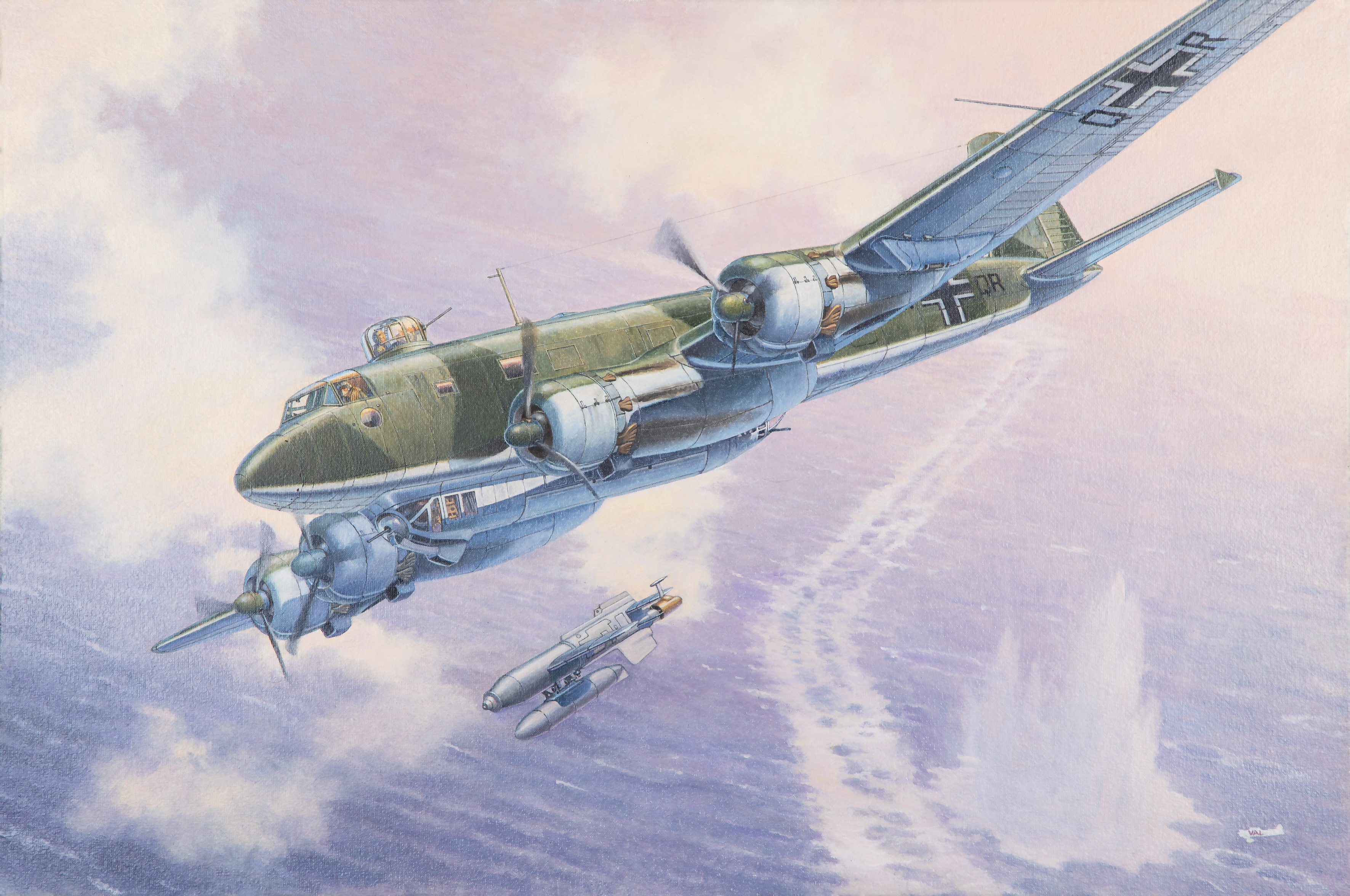
The Fw 200C-6 Condor was a German four-engine military aircraft converted from the civilian Fw 200B airliner in the early part of World War II. The main tasks of the aircraft were patrolling the open ocean and sinking enemy ships. Thanks to its good performance, and special tactics in the early years of the war, the Fw 200 together with the Kriegsmarine submarines were almost the main threat to Great Britain's survival. In time, their role was not so significant and was reduced to conducting reconnaissance missions over the sea, and they were also used as carriers of Hs 293 guided bombs designed to destroy targets at long-range. In total, 20 aircraft of this variant were produced, which participated in the final period of World War II in Europe.