New releases of 2021
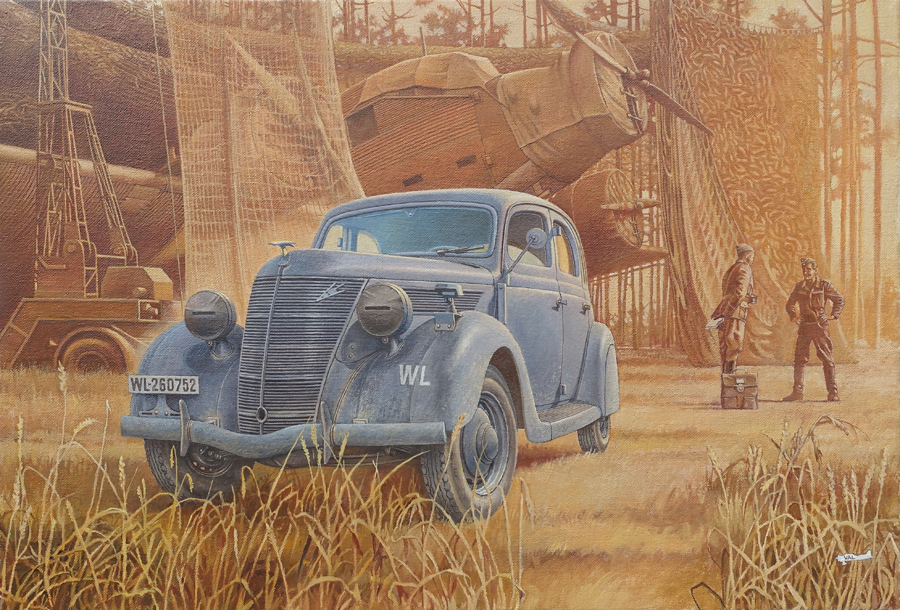
Personenkraftwagen Ford V8 G81A - German passenger car built at a subsidiary of the American Ford concern in Germany in the second half of the 1930s, based on the Ford V8 car. Production lasted from 1938 to 1941, during which time they managed to manufacture more than 8,000 of this model. With the outbreak of World War II, many Ford V8 G81As were requisitioned from private owners and transferred to military units.
Cars of this type were used extensively during the Blitzkrieg, as European countries had an extensive network of good quality roads, but with the beginning of the Eastern campaign, they often proved unsuitable due to terrible off-road conditions and the complete lack of adequate roads in autumn and spring. In Germany, the Ford V8 G81A was used primarily as a police car until 1944. Also, a number of special models were developed from the basic Ford V8 G81A.
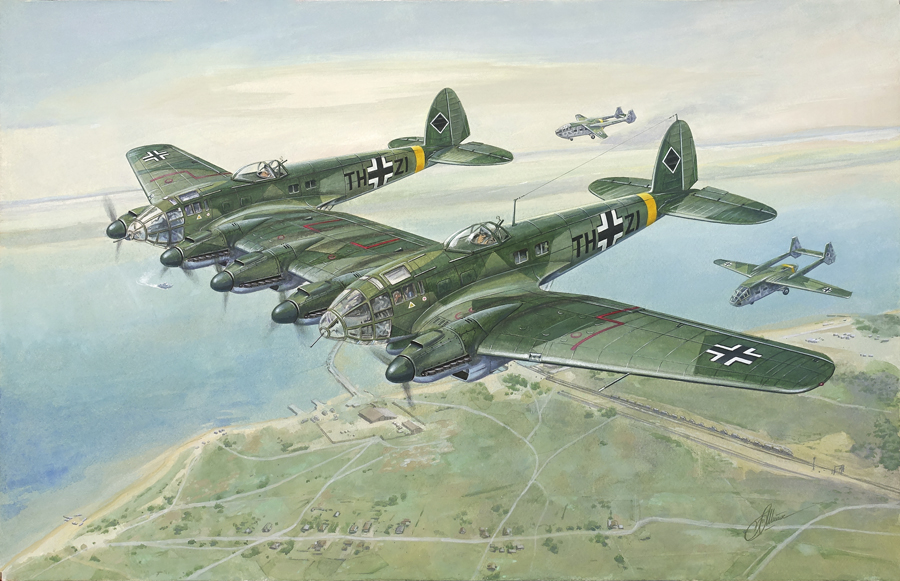
He 111Z Zwilling - large German special purpose aircraft of the Second World War, designed to tow heavy gliders. It was based on the He 111H front-line bomber, two of which were combined in one aircraft with a common wing centerplane and an additional fifth engine to improve flight performance, primarily enabling the airplane to haul heavy gliders. A total of 12 He 111Zs were built in 1941-1942, which were delivered to a special squadron, the main purpose of which was the rapid air transport of troops or large volumes of cargo.
Aircraft of this type took part in transporting supplies to the Stalingrad region, in the evacuation of personnel from Crimea, and later they had to operate on the Western Front. By the end of the war, there were only four surviving aircraft out of 12 He 111Zs. Even at this time the idea of using them as long-range bombers was considered, but these intentions were never realized in the rapidly deteriorating war situation.
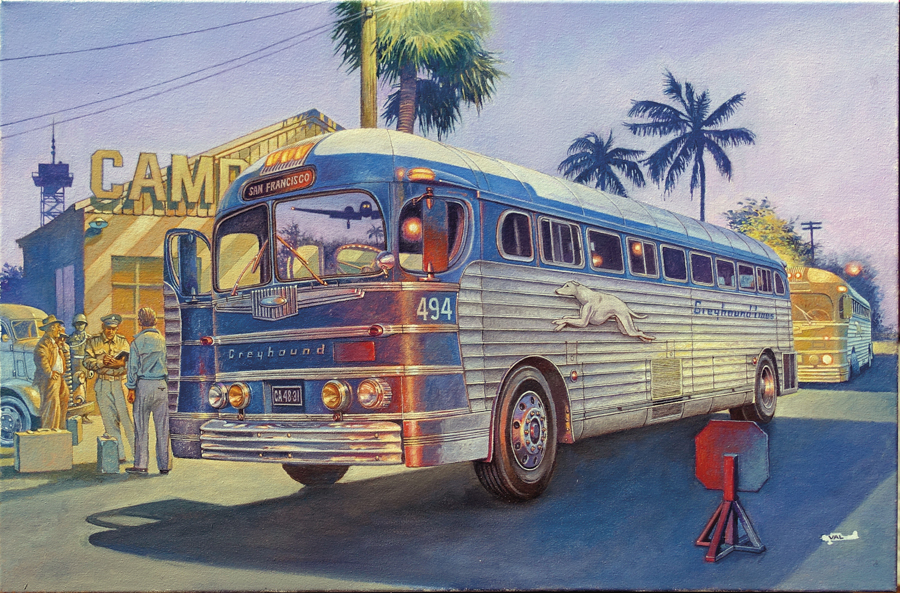
GMC PD3751 Silversides is an intercity bus created in the mid-1930s by Yellow Coach for one of the largest trucking companies, Greyhound Lines. The bus was a real revolution in automobile construction, corrugated aluminum and polymeric materials were widely used in its building, and special attention was paid to maximum comfort for passengers because after the construction of a wide network of high-quality highways between all the cities of the country during the Great Depression, rail passenger traffic almost stopped due to the inability to compete with high-speed road transport. Serial construction has been going on since 1939 at the Pontiac West Assembly in Pontiac, Michigan, where General Motors used to assemble pickups and trucks. With the entry of the United States into World War II, there was a problem of mass transportation of recruits at assembly points and in military units of all countries, and to solve this problem it was decided to solve the Greyhound Lines buses. As early as 1942, they carried more than 130 million passengers, both military and civilian, more than the impressive digital, as it accounted for almost half of the country's population. After the war, Silversides continued to operate passenger traffic within the country, and some of them were resold to third countries, mainly to Latin America. This bus is one of the symbols of the United States, as well as Ford's car, Boeing aircraft and embodies the significant technological progress that made this country great in the first half of the twentieth century.
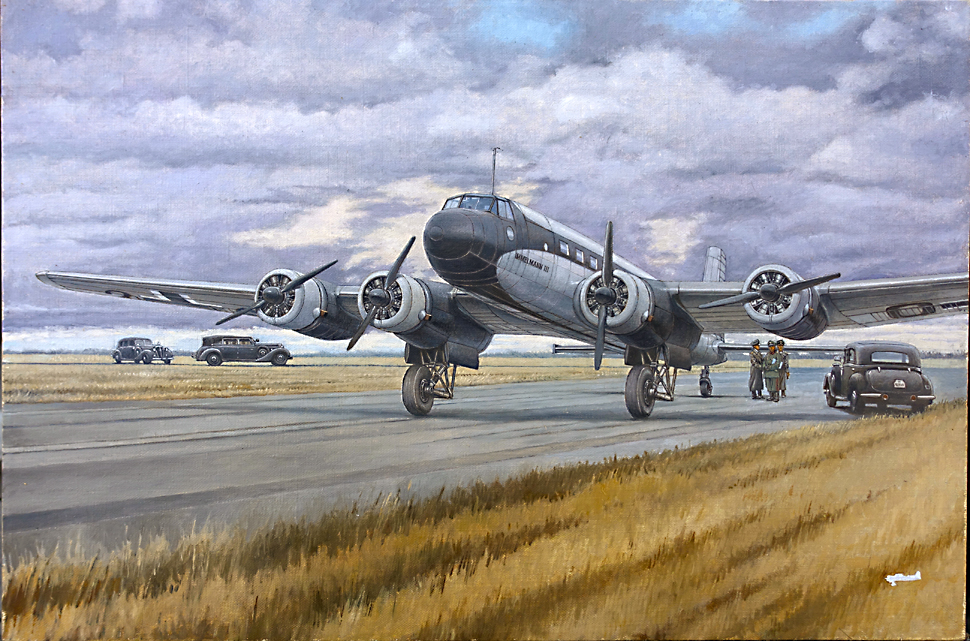
Four engine passenger aircraft, produced in 1937 under the direction of the famous aircraft designer Kurt Tank. Initially, these aircraft were to be used by Germany's leading airline, Lufthansa, on prestigious transatlantic flights, but with the outbreak of World War II, most of them were involved in military missions. One of them, Fw 200V3/A-0, was initially transferred to the Luftwaffe testing facility in Rechlin, and later, after a series of special alterations, it was presented to the leader of Nazi Germany, Adolf Hitler, as a personal VIP transport. The FW-200V3/A-0 was named 'Immelmann III' after the famous First World War ace Max Immelmann, and was used until 1944 on flights to the occupied territories.
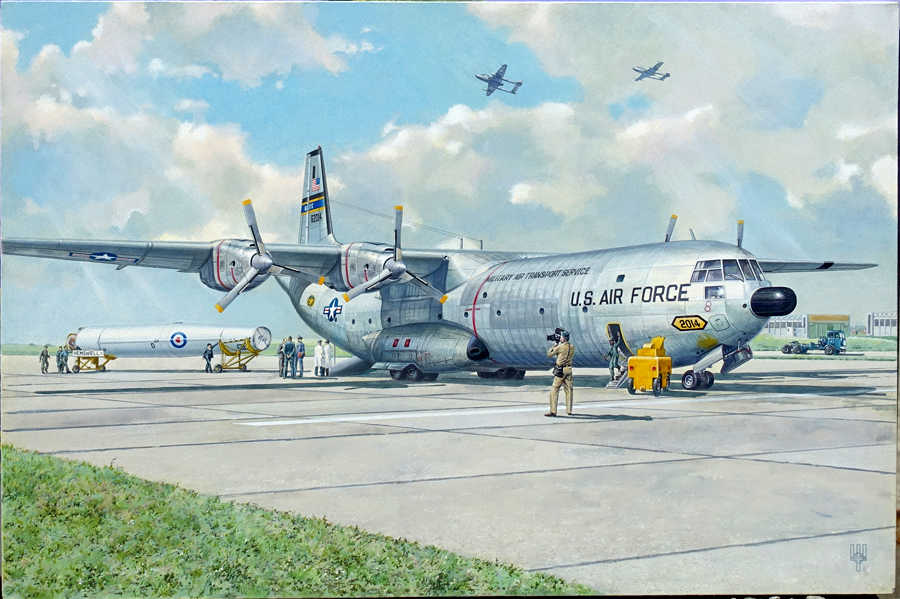
Douglas C-133A w / PGM-17 Thor IRBM - mobile strategic aircraft complex consisting of a C-133 aircraft and a PGM-17 Thor missile. The main goal was to quickly deliver intermediate-range ballistic missiles by transport aircraft to remote points on other continents in order to place the missiles as close as possible to the borders of a potential adversary. From 1959 to 1963, missiles of this type were transported to the territory of Great Britain with the help of the C-133A. In October 1962, when humanity was on the brink of a full-fledged global nuclear conflict, the PGM-17 Thor, operational at British bases, was one of the key factors in forcing the Soviet Union to reverse its decision to deploy its missiles in the immediate vicinity of US borders, on the island of Cuba. After the de-escalation of political tensions in the world, all PGM-17 Thors based in the United Kingdom were soon returned to the United States by means of the same C-133A transport.
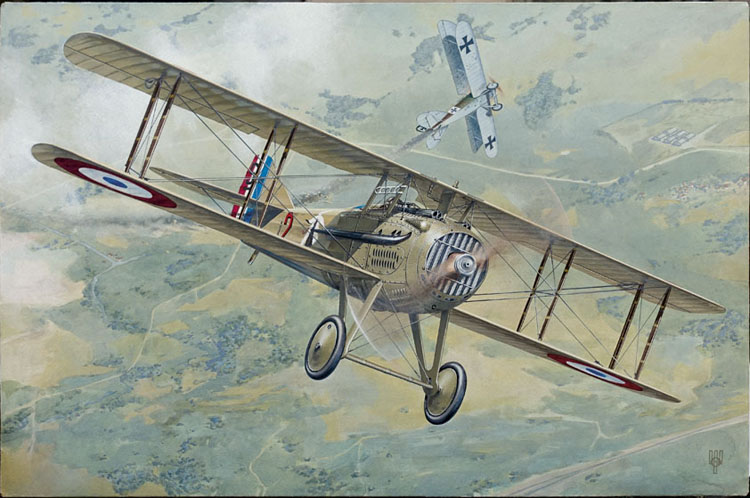
SPAD XIII - World War I fighter, created by SPAD in 1917 and broadly based on the earlier SPAD VIIc1. Compared with the previous type, it had a slightly larger overall size, and revised cowling shape and control surfaces. The early version machines had wings with rounded ends. In 1917-1918, almost 8,000 fighters of this type were built in total, operated not only by the French Air Force, but also by other countries such as Great Britain, the United States and Italy. Many famous aces, such as Georges Guynemer, Francesco Baracca and Eddie Rickenbacker, flew this aircraft, winning a significant number of their victories in the air. The combat service of the machine continued even in the first postwar years, and in the new US Army Air Service until the early 1920s the SPAD XIII was one of the most important fighter aircraft.
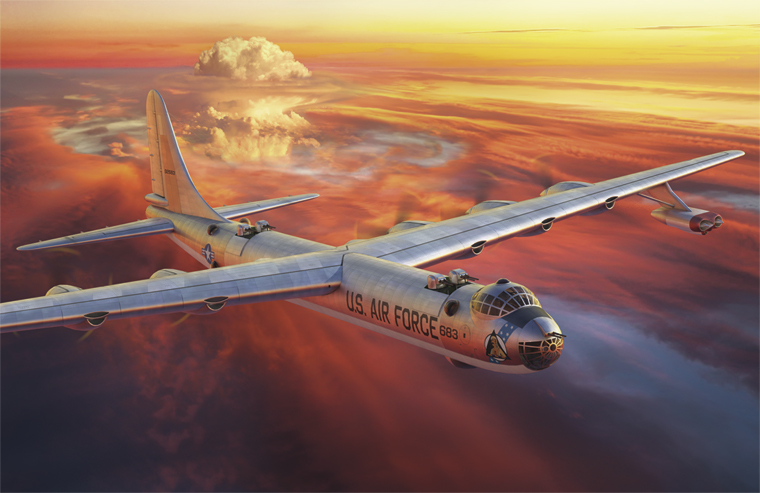
Convair B-36D/F/H/J Peacemaker - American ten-engine strategic heavy bomber, developed from the earlier B-36B. The main difference was the installation of four additional General Electric J-47 jet engines with a thrust of 5,200 lbf each (23kN), which significantly improved basic characteristics such as speed and range. In the history of aviation, this was almost the only case of building a multi-engine aircraft with mixed power plants. This feature gained it the slogan "Six turning, four burning". With later modifications, its radar equipment was significantly improved and also its protective weapons optimized. The combat service of the more than 300 aircraft built lasted until 1959, when they were completely replaced by the famous Boeing B-52 Stratofortress. None of them ever took part in any of the military conflicts of its time, but the B-36 rightly justified its name as the main preserver of peace in the world in the first decade of the Cold War.
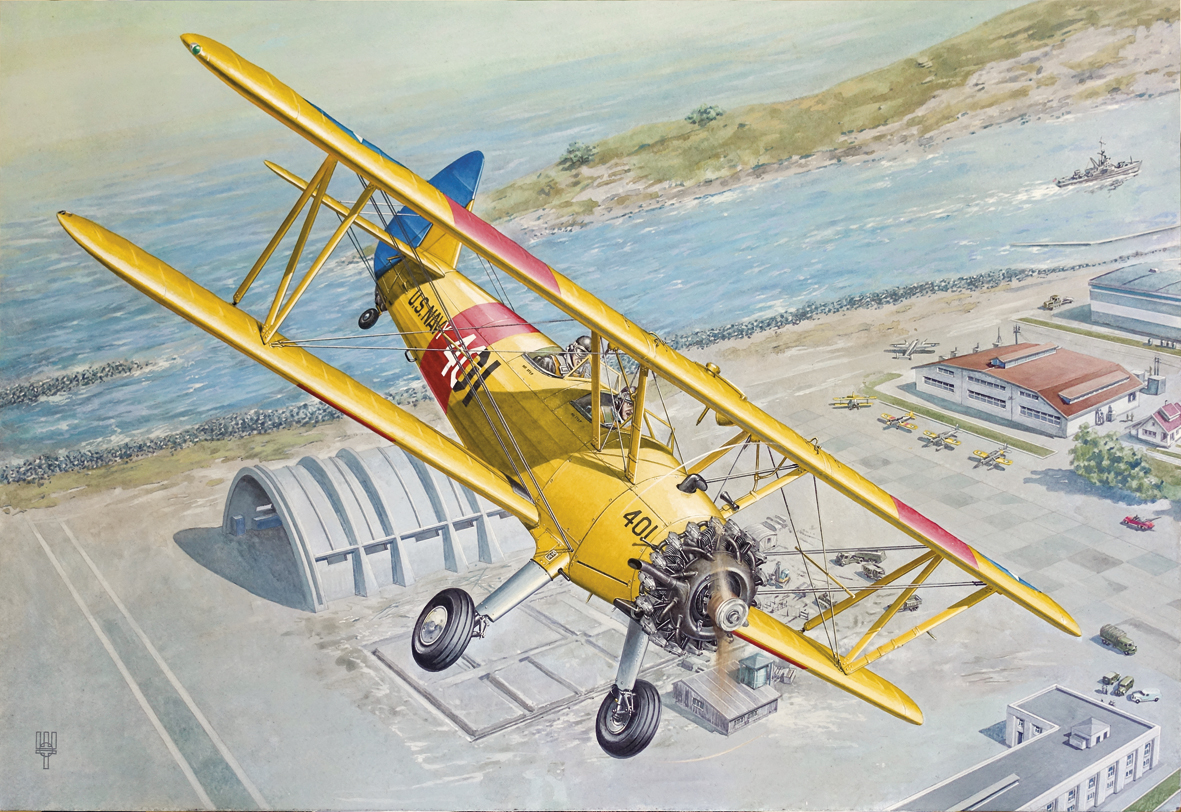
The Stearman PT-13 / N2S-2 / N2S-5 Kaydet was a two-seater pilot training aircraft designed in the United States by Stearman, later to become a separate division of Boeing. The aircraft had excellent flight characteristics, was relatively easy to fly and became a real "flying school desk" for thousands and thousands of pilots. In addition to the US Army Air Forces, the aircraft was also built for the US Navy. In total, more than 350 PT-13 units and more than 1,500 of the N2S-2 and N2S-5 variants were produced for the US Navy. Production of the PT-13 continued even with the appearance in 1941 of a newer modification, the PT-17. After the war, most of them were resold to third countries and private owners, and many aircraft still participate in numerous air competitions and air shows.
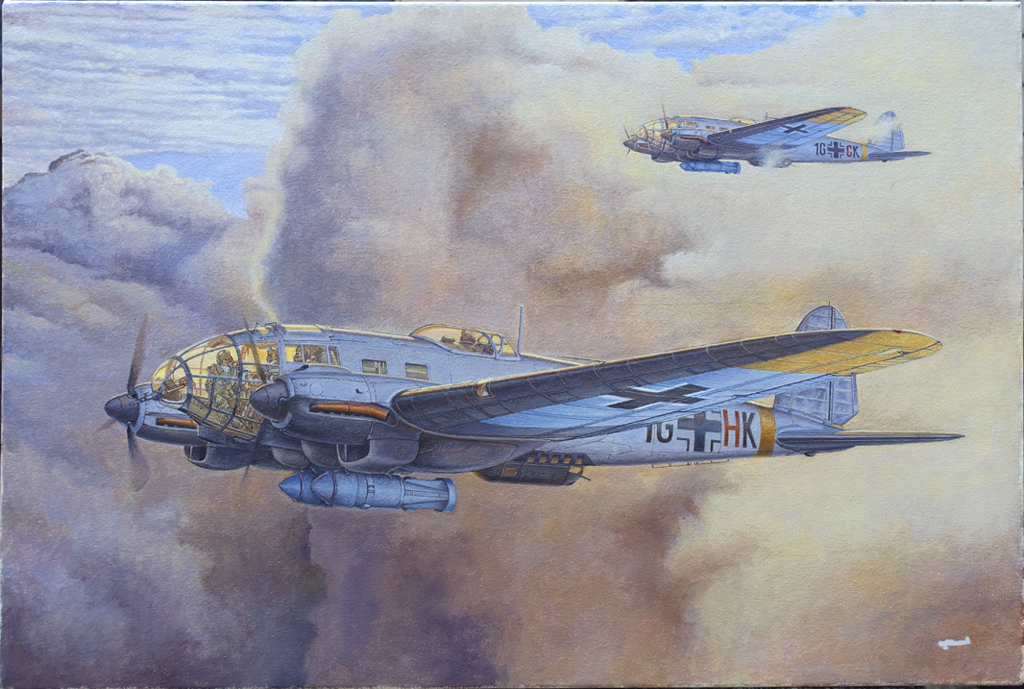
He111H-16 / H-20 - German twin-engined medium bomber, developed in the early 1940s from the earlier He-111H-6. The new versions differed from their predecessor in improved armor, the ability to carry different types of bomb load, newer radio equipment, and a system for short-term engine power boost.
Series production continued during 1943-44, when they managed to produce about 1,200 units of the He111H-16 model and about 800 of the He111H-20. The vast majority of these aircraft fought in the skies of the Eastern Front, but many of them were also used on the Western Front, as well as in the final phase of the African campaign. On the basis of these models, many sub-variants were created, such as glider tugs or transport aircraft. The last of the He111H-16 and the H-20 were in operational use even at the beginning of 1945 in the final months of the war.